

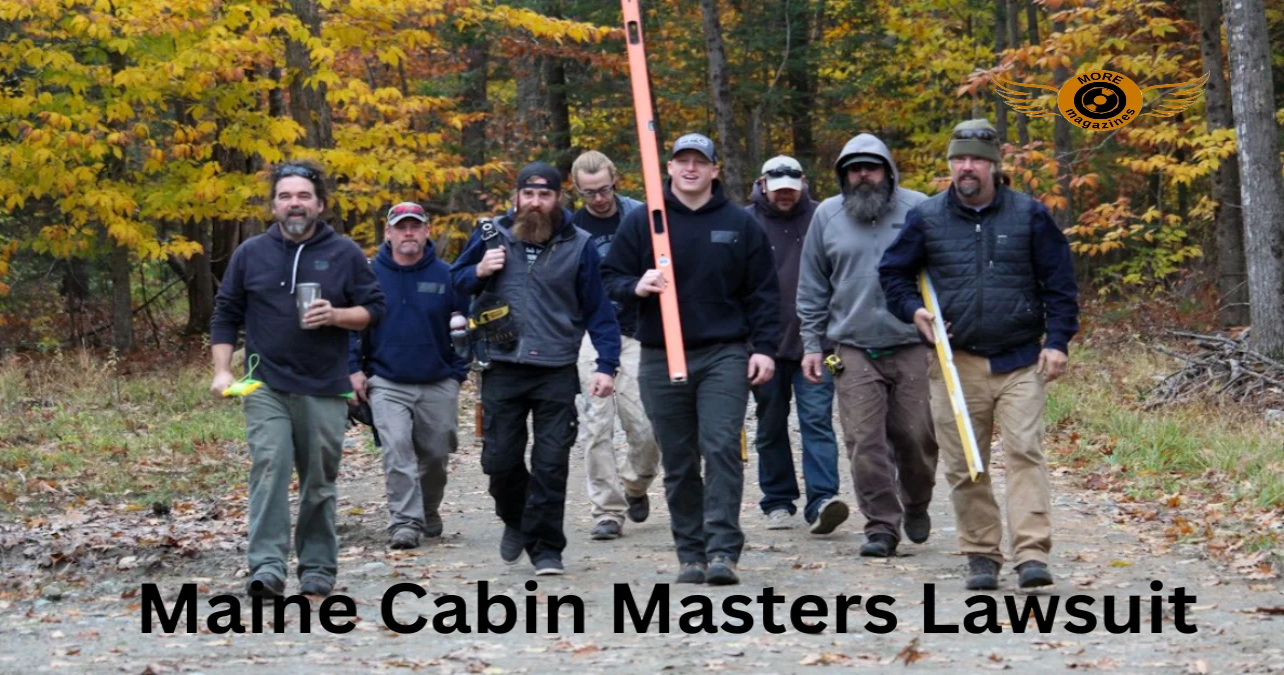
Maine Cabin Masters Lawsuit home renovation television series that follows a team restoring old cabins and camps throughout Maine. The show gained popularity for its hands-on approach, scenic locations, and focus on preserving rustic structures. Like many renovation projects involving older buildings, the production later faced legal attention related to safety compliance rather than personal disputes.
Background of the Issue
The lawsuit connected to Maine Cabin Masters was not a traditional civil lawsuit between private individuals. Instead, it involved a regulatory enforcement action concerning renovation practices on older residential properties. The issue centered on whether proper safety procedures were followed during renovation work, particularly in homes built before modern safety regulations were in place.
Nature of the Allegations
The case focused on alleged violations of federal lead paint safety rules. These regulations exist to protect homeowners, workers, and especially children from exposure to lead-based paint, which was commonly used in buildings constructed before 1978. During renovations, disturbing old paint without proper precautions can release harmful lead dust.
Authorities alleged that renovation work on several properties did not fully comply with required lead-safe practices. This included issues related to certification, documentation, and providing homeowners with mandatory safety information.
Resolution of the Case
Rather than going through lengthy court proceedings, the matter was resolved through a settlement. The company associated with the show agreed to:
- Pay a monetary penalty
- Obtain proper certifications for lead-safe renovation work
- Follow all required safety standards on future projects
- Improve awareness and compliance related to lead paint safety
The settlement did not involve criminal charges, nor did it accuse individual cast members of intentional wrongdoing. The focus was on compliance and prevention rather than punishment.
Impact on the Show
The lawsuit did not result in the cancellation of Maine Cabin Masters. Production continued, and the situation served as a reminder that renovation shows are subject to the same safety regulations as any construction company. The case highlighted the importance of demonstrating safe, responsible building practices—especially on television programs viewed by a wide audience.
Broader Industry Context
Regulatory actions like this are not unique to one show. Renovation and construction companies across the country are required to follow strict safety guidelines when working on older structures. Government agencies routinely enforce these rules to reduce health risks and promote safer renovation practices.
Television programs that showcase renovation work carry additional responsibility, as viewers may try to replicate what they see on screen.
Conclusion
The Maine Cabin Masters lawsuit was a regulatory matter related to lead paint safety compliance, not a personal or dramatic legal battle. It was resolved through a settlement that emphasized certification, improved practices, and public safety. The case underscores the importance of following health and safety regulations in renovation work, whether on television or in everyday construction projects.
