

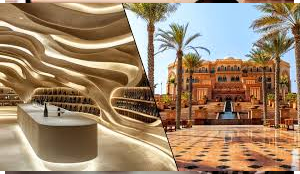
Luxury is a concept that represents comfort, exclusivity, and high quality beyond basic needs. It is often associated with wealth, elegance, and premium experiences, but in modern times, the meaning of luxury has expanded far beyond material possessions.
In this article, we explore what luxury means, how it is defined in different contexts, and how it influences lifestyle, fashion, travel, and consumer behavior.
What Is Luxury?
Luxury refers to goods, services, or experiences that are not essential but provide exceptional comfort, quality, or pleasure. These items are often expensive, rare, or crafted with superior attention to detail.
Traditionally, luxury was linked to:
- Expensive cars and jewelry
- High-end fashion brands
- Luxury homes and real estate
- Exclusive services and experiences
However, today luxury can also mean time, peace, and simplicity.
The Evolution of Luxury
Luxury has changed significantly over time. In the past, it was mainly reserved for royalty and the elite. Today, it is more accessible, but still represents a higher standard of living.
Traditional Luxury
- Gold, diamonds, and rare materials
- Palaces and mansions
- Designer clothing and accessories
Modern Luxury
- Wellness and mental peace
- Personalized experiences
- Sustainable and ethical products
- Freedom and time flexibility
Modern consumers often value experience over ownership.
Luxury in Fashion
The fashion industry is one of the biggest areas where luxury plays a major role. High-end brands focus on craftsmanship, exclusivity, and brand identity.
Luxury fashion brands are known for:
- Premium materials
- Limited collections
- Strong brand heritage
- High price points
Luxury fashion is not just about clothing—it is about identity and status.
Luxury Travel
Luxury travel focuses on comfort, exclusivity, and personalized experiences. It includes:
- Five-star hotels and resorts
- Private jets and yachts
- Customized travel itineraries
- Private tours and VIP services
Travelers who choose luxury travel often seek privacy, relaxation, and unique experiences.
Luxury’s Cars and Real Estate
Luxury’s is also strongly associated with automobiles and housing.
Luxury’s Cars
These vehicles are designed for performance, comfort, and prestige. They often include advanced technology, premium interiors, and powerful engines.
Luxury’s Real Estate
Luxury homes include features such as:
- Prime locations
- Large living spaces
- Modern architecture
- High-end amenities like pools, gyms, and home theaters
Emotional Side of Luxury’s
Luxury’s is not only about money. It is also about how something makes a person feel. It can represent:
- Achievement and success
- Comfort and relaxation
- Confidence and self-expression
- Exclusivity and uniqueness
For many people, luxury’s is a reward for hard work
Sustainable Luxury’s
In recent years, sustainability has become an important part of luxury’s Consumers are now more aware of environmental and ethical issues.
Sustainable luxury’s includes:
- Eco-friendly materials
- Ethical production processes
- Long-lasting product design
- Reduced environmental impact
Many luxury’s brands are now shifting toward sustainability to meet modern expectations.
Why Luxury’s Matters
Luxury’s plays an important role in the global economy and culture. It:
- Drives innovation in design and technology
- Supports high-end industries
- Creates jobs in fashion, travel, and automotive sectors
- Reflects cultural values and trends
It also influences how people define success and lifestyle goals.
Conclusion
Luxury’s is more than expensive items—it is a symbol of quality, comfort, and experience. While it was once defined only by wealth and exclusivity, today it also includes time, wellness, sustainability, and personal satisfaction.
Understanding luxury’s helps us see how lifestyle choices are evolving in a modern world where value is not only measured by price but also by meaning and experience.
