

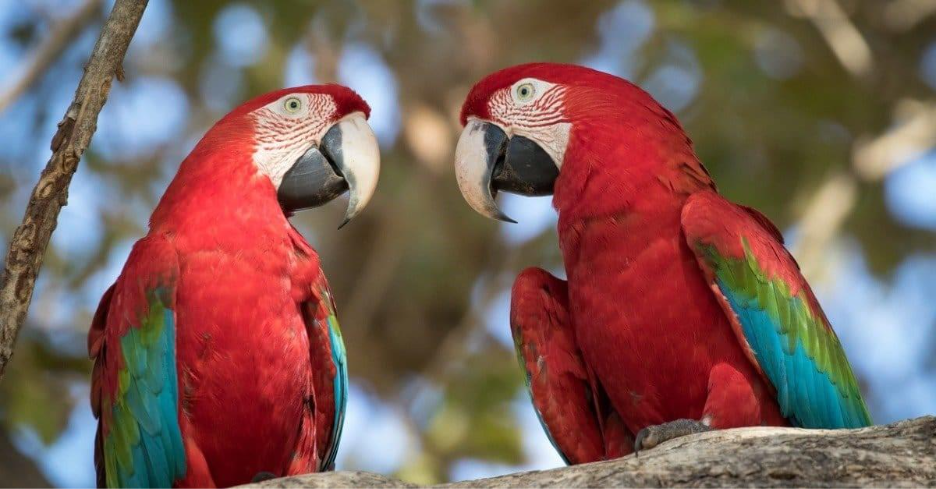
Parrots are among the most intelligent and captivating creatures you can welcome into your home. These vibrant birds possess remarkable cognitive abilities, emotional depth, and the potential to become lifelong companions Parrot Care Tips. However, their care requires dedication, knowledge, and a genuine commitment to meeting their complex physical and psychological needs. Understanding the fundamentals of parrot care transforms the experience from merely keeping a pet to nurturing a profound interspecies relationship.
Creating the Perfect Living Environment
Your parrot’s cage serves as their personal sanctuary, and selecting the appropriate enclosure is paramount to their wellbeing. The cage should be spacious enough to allow your bird to spread their wings fully without touching the sides, with horizontal bars that encourage climbing and exploration. Position the cage in a room where your family spends considerable time, as parrots are inherently social creatures who thrive on interaction and observation.
Natural lighting plays a crucial role in maintaining your parrot’s circadian rhythm and overall health. Place the cage near a window where your bird can enjoy natural sunlight, but ensure they have access to shaded areas to prevent overheating. Avoid positioning the cage in drafty areas, near kitchens where cooking fumes could prove harmful, or in spaces with extreme temperature fluctuations.
The cage’s interior should feature various perches of different diameters and textures to exercise your parrot’s feet and prevent pressure sores. Natural wood branches make excellent perches, offering irregular surfaces that promote foot health while providing opportunities for chewing and exploration.
Nutritional Excellence for Optimal Health
Feeding your parrot extends far beyond simply filling a food bowl with seeds. A nutritionally balanced diet forms the cornerstone of preventive health care and longevity. High-quality pellets should constitute the foundation of your parrot’s diet, formulated specifically to meet their species’ nutritional requirements.
Fresh fruits and vegetables must be incorporated daily, offering essential vitamins, minerals, and antioxidants. Leafy greens like kale, spinach, and Swiss chard provide calcium and iron, while colorful vegetables such as carrots, bell peppers, and sweet potatoes deliver beta-carotene and fiber. Fruits including berries, apples, and mangoes offer natural sugars and vitamins but should be given in moderation.
Certain foods pose serious dangers to parrots and must be strictly avoided. Chocolate, avocado, caffeine, alcohol, and high-salt or high-fat foods can cause severe illness or death. Additionally, never feed your parrot seeds from apples or stone fruits, as these contain toxic compounds. Fresh, clean water should be available at all times, changed at least twice daily to prevent bacterial growth.
Mental Stimulation and Enrichment Activities
Parrots possess intelligence comparable to young children, requiring constant mental engagement to prevent boredom and the destructive behaviors that often accompany it. Rotate toys regularly to maintain novelty and interest, incorporating puzzle feeders that challenge your bird to work for treats. Foraging toys tap into natural instincts, encouraging problem-solving and providing hours of entertainment.
Interactive play sessions strengthen your bond while providing essential mental stimulation. Teaching tricks, practicing recall training, or simply engaging in conversation satisfies your parrot’s need for social interaction. Many parrots enjoy music, and some will dance enthusiastically to their favorite tunes, demonstrating their playful nature and capacity for joy.
Providing destructible toys allows parrots to express natural behaviors like shredding and chewing. Paper rolls, untreated wicker baskets, and palm leaves offer safe outlets for these instincts while protecting your furniture and belongings from becoming unintended targets.
Building Trust Through Socialization
Parrots are emotionally complex beings capable of forming deep attachments to their human companions. Daily interaction builds trust and strengthens your relationship, but patience remains essential, especially with rescue birds or those adjusting to new environments. Approach your parrot calmly, speaking in gentle tones while respecting their body language signals.
Understanding avian communication prevents misunderstandings and potential bites. A parrot with pinned eyes and ruffled feathers may be overstimulated or agitated, while a bird that leans forward with flattened feathers typically seeks attention or head scratches. Learning these subtle cues enhances your ability to respond appropriately to your parrot’s emotional state.
Consistency in handling and training establishes security and predictability. Parrots thrive on routine, finding comfort in knowing what to expect throughout their day. Establishing regular times for meals, play, and rest creates structure that reduces stress and anxiety.
Maintaining Physical Health and Hygiene
Regular veterinary care from an avian specialist ensures early detection of potential health issues. Annual wellness examinations, including blood work and physical assessments, help maintain optimal health and catch problems before they become serious. Parrots instinctively hide illness, making professional monitoring crucial.
Grooming needs vary by species but generally include nail trimming and occasional wing clipping, depending on your household’s safety considerations. Many owners choose to allow full flight, which provides excellent exercise, while others opt for strategic trimming to prevent accidents or escapes.
Bathing opportunities should be provided several times weekly, as moisture maintains healthy skin and feather condition. Some parrots enjoy misting, while others prefer shallow dish baths or even showering with their owners Budgie Care Guide. Observe your bird’s preferences and accommodate their individual bathing style.
Recognizing Warning Signs and Health Concerns
Vigilance in monitoring your parrot’s behavior and appearance enables swift response to potential health issues. Changes in appetite, droppings, vocalization patterns, or energy levels warrant immediate veterinary attention. Feather plucking often indicates underlying medical problems or psychological distress requiring professional intervention.
Respiratory issues manifest through labored breathing, tail bobbing, or nasal discharge. Since respiratory infections can progress rapidly in birds, these symptoms demand urgent veterinary care. Similarly, lethargy, fluffed feathers, or sitting on the cage floor indicate serious illness requiring immediate attention.
The Commitment of Parrot Ownership
Caring for a parrot represents a significant, long-term commitment. Many species live several decades, with some larger parrots reaching sixty years or more. This longevity requires careful consideration before bringing a parrot into your home, as you’re potentially committing to a lifetime companion.
The rewards of parrot companionship are immeasurable. These intelligent, affectionate creatures offer unique personalities, endless entertainment, and genuine emotional bonds. By providing excellent care, proper nutrition, mental stimulation, and unconditional love, you create an environment where your feathered friend can flourish, bringing joy and wonder into your life for years to come.
